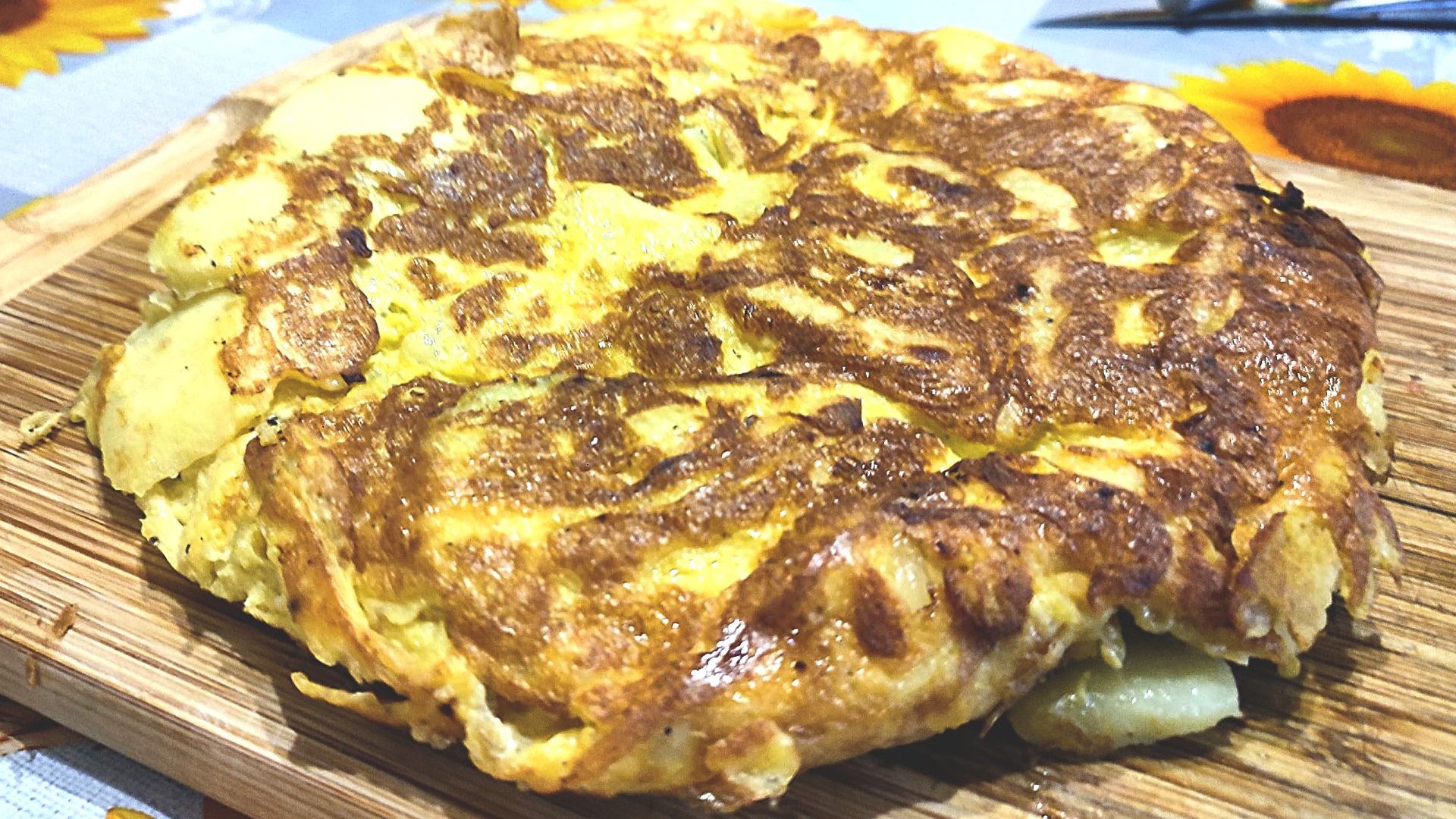

Eggs are one of the most versatile and nutrient-dense ingredients in the human diet. While various avian eggs are edible, the chicken egg is the global culinary standard.
In culinary applications, eggs serve several technical functions: binding (holding ingredients together in meatballs or fritters), leavening (trapping air in soufflés or sponge cakes), and emulsifying (bonding oil and water in mayonnaise or hollandaise). The yolk contains lecithin, a natural emulsifier, while the white provides structural proteins that coagulate when heated.
From a flavor perspective, eggs are mild and savory. The yolk provides a rich, creamy mouthfeel, while the white is more neutral, gummy. Their preparation ranges from simple boiling and poaching to complex custard bases. Modern nutritional science has largely moved past older concerns regarding dietary cholesterol, instead focusing on the egg’s role as a high-quality, bioavailable protein source.
The Superpowers
- Complete Protein: Eggs contain all nine essential amino acids required by the human body for tissue repair and muscle growth.
- Brain Health: They are one of the best dietary sources of Choline, a nutrient essential for liver function, brain development, and nerve signaling.
- Eye Health: Yolks contain Lutein and Zeaxanthin, antioxidants that accumulate in the retina and help protect against macular degeneration.
- Vitamin Profile: Naturally rich in Vitamin B12, Riboflavin (B2), and Selenium. They are also one of the few food sources of Vitamin D.
- Peak Season: While commercially available year-round, pasture-raised eggs often peak in Spring and early Summer when chickens have access to fresh forage and longer daylight hours.
Pairs Well With…
- Fats: Avocado, butter, and aged cheeses (Cheddar, Gruyère, Parmesan).
- Vegetables: Spinach, asparagus, mushrooms, and tomatoes.
- Alliums: Chives, shallots, and sautéed leeks.
- Spices/Condiments: Smoked paprika, black pepper, Dijon mustard, and hot sauces.
The Understudies (Replacements)
- Flax or Chia “Egg”: For baking, mix 1 tablespoon of ground flax or chia seeds with 3 tablespoons of water, let sit for 5 minutes to thicken. Best for binding in dense cakes or muffins.
- Aquafaba: The liquid from canned chickpeas. Three tablespoons can replace one egg; when whipped, it mimics egg whites in meringues or mousses.
- Silken Tofu: Pureed tofu (approx. 1/4 cup per egg) works well for moisture in baked goods or as a base for vegan “scrambles.”
- Applesauce or Mashed Banana: Useful for moisture in sweet baking, though they will alter the flavor and provide less structure than a real egg.